

Table of Contents
- Kookaburra vs Badger Cricket Gear: A Head-to-Head Comparison
- What Makes Handcrafted English Willow Cricket Bats Different
- How to Choose a Cricket Bat for Your Playing Style
- Kookaburra's Range: Strengths and Limitations
- Badger's Approach: What Sets Them Apart
- Maintaining English Willow Cricket Bats for Long-Term Performance
- Why Custom-Made Bats Deliver Better Results Than Mass Production
- Frequently Asked Questions
Last Updated: September 23, 2026
Kookaburra vs Badger Cricket Gear: A Head-to-Head Comparison
When you're serious about cricket, your equipment matters. The difference between a bat that feels right and one that doesn't can shift your entire game. At SGM Cricket Bats, we've worked with players across all levels, and the question we hear most often is straightforward: how do the major brands actually compare?
Kookaburra vs Badger cricket gear represents two distinct philosophies. One prioritises mass production and consistency. The other emphasises craftsmanship and customisation. Neither approach is inherently wrong, but they suit different players and different budgets.
This guide breaks down what separates these brands, what makes handcrafted bats perform differently, and how to identify which approach works for your game. By the end, you'll understand not just which brand to choose, but why that choice matters.
What Makes Handcrafted English Willow Cricket Bats Different
A handcrafted bat begins with cleft selection. This is where the real work happens, not on the factory floor, but in the timber yard.
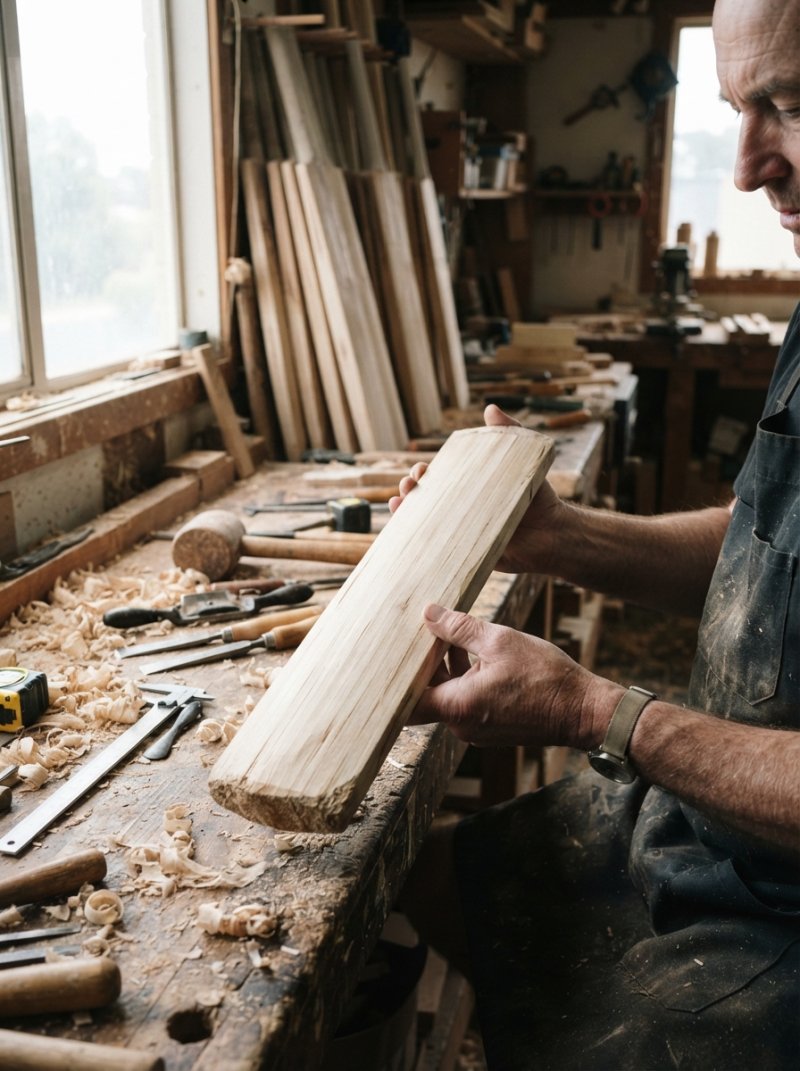
Mass-produced bats use whatever willow meets minimum specifications. Handcrafted bats start with a curator's eye. Each cleft is examined for grain structure, density, and weight distribution. A craftsperson can feel the difference in wood that will perform versus wood that merely exists.
Once the cleft is selected, the shaping begins. Handcrafted bats are profiled to the player's specifications, balance point, blade thickness, toe shape, handle taper. These aren't afterthoughts. They're built into the bat from the first cut.
The result is a bat that feels alive in your hands. The sweet spot feels larger because the weight distribution is intentional. The ball comes off the bat with more consistent response because the wood has been matched to how you actually swing.
Maintenance also differs. A handcrafted bat that's been properly knocked in can last for years. The craftsperson who made it understands how the wood will age and behave, so they've accounted for that in the initial build.
How to Choose a Cricket Bat for Your Playing Style
Choosing a bat isn't about finding the "best" bat. It's about finding the bat that matches how you play.
Start with your playing style. Are you an aggressive player who likes to drive early in the innings? You need a bat with a lower balance point and a responsive sweet spot. Are you more defensive, building an innings through careful singles? A heavier bat with a higher balance point gives you more control.
Next, consider your physical profile. Taller players typically use longer bats. Stronger players can handle heavier bats. But these aren't rules, they're starting points.
Test before committing. This is where mass-produced bats have an advantage: they're available everywhere, and you can pick one up and feel it. Handcrafted bats require more intentionality. You work with a craftsperson to specify exactly what you want, then trust their expertise.
Finally, think about your level. Club cricketers and junior players benefit enormously from bats matched to their style because consistency builds confidence. Professional players often use handcrafted bats because the marginal gains compound over a career.
Kookaburra's Range: Strengths and Limitations
Kookaburra dominates through availability and consistency. Their bats are engineered to perform within predictable ranges. If you pick up a Kookaburra from a shop, you know roughly what you're getting.
Strengths:
- Wide range of models across multiple price points
- Available in most cricket shops, making testing easy
- Consistent manufacturing means predictable performance
- Established reputation with club and junior players
Limitations:
- Mass production means less attention to individual wood variation
- Limited customisation options compared to handcrafted alternatives
- The sweet spot is optimised for average players, not your specific swing
- Bats may feel generic because they're designed for broad appeal
Kookaburra bats perform well for players who want a reliable option without complexity. They're particularly suited to junior cricketers and club players who prioritise availability over personalisation.
Badger's Approach: What Sets Them Apart
Badger positions itself as a premium alternative within the mass-production space. Their bats use quality English willow and employ more rigorous selection processes than some competitors.
Strengths:
- Higher-grade willow than some mass-produced alternatives
- Attention to balance and weight distribution in design
- Growing reputation among serious club cricketers
- Competitive pricing within the premium segment
Limitations:
- Still mass-produced, so individual customisation is limited
- Less widely available than Kookaburra in many regions
- The premium positioning comes with higher cost
- Limited track record compared to more established brands
Badger appeals to players who want something better than standard mass production but aren't ready to invest in full customisation. They're a middle ground, more thoughtful than basic options, but not as tailored as handcrafted alternatives.
| Aspect | Kookaburra | Badger | Handcrafted |
|---|---|---|---|
| Customisation | Limited | Minimal | Extensive |
| Willow Quality | Standard | Premium | Premium (selected) |
| Sweet Spot | Broad | Optimised | Player-specific |
| Availability | Wide | Moderate | Made to order |
| Price Point | Accessible | Premium | Variable |
Maintaining English Willow Cricket Bats for Long-Term Performance
English willow is a living material. Even after it's been felled and shaped, it continues to move and settle. Proper maintenance determines whether your bat lasts two seasons or ten.
Knocking in is non-negotiable. A new bat needs to be gradually introduced to match impact. Use a mallet or an old cricket ball to compress the fibres across the face and edges. This process takes time, typically several weeks of progressive use, but it prevents the bat from splintering under match conditions.
Store your bat properly. English willow responds to humidity. Keep it in a climate-controlled environment, away from direct sunlight. Extreme dryness causes the wood to crack. Excessive moisture promotes rot. A bat stored in a garage that swings between hot summers and cold winters will deteriorate faster than one kept in a stable environment.
Inspect regularly. Check for cracks, particularly around the toe and edges. A small crack can become a structural failure if it's not addressed. If you notice damage, professional repair is worth the investment. A craftsperson can often restore a bat that looks finished.
Oil the bat occasionally. This protects the wood and maintains its responsiveness. Use linseed oil or a cricket-specific product, applied sparingly and buffed thoroughly. Over-oiling creates a slippery surface and can damage the finish.
Why Custom-Made Bats Deliver Better Results Than Mass Production
The difference between a custom bat and a mass-produced one isn't just comfort, it's performance.
A custom bat is built around your swing, not around an average swing. The balance point sits exactly where your hands naturally want to move. The blade profile matches how you make contact with the ball. The handle taper fits your grip. These details compound.
When everything aligns, your bat becomes an extension of your technique rather than something you're adapting to. This reduces fatigue, improves consistency, and increases your scoring range. You can play shots you couldn't play with a bat that didn't quite fit.
Custom bats also age predictably. A craftsperson understands how the specific willow they've selected will behave over time. They've accounted for settling and movement in the initial build. A mass-produced bat is engineered to a specification, but no two pieces of willow are identical, so ageing varies.
For serious players, a custom bat is an investment in consistency. For club cricketers, it's an investment in confidence. You know your bat was made specifically for you, which changes how you approach an innings.
SGM Cricket Bats specialises in this approach. Every bat is handcrafted in Melbourne, with cleft selection and profiling tailored to the individual player. Our team works with you to understand your playing style, physical profile, and preferences, then builds a bat that matches those specifications exactly. We also offer professional bat repair and re-handling services to extend the life of your equipment.
Choosing between mass-produced and custom-made bats ultimately depends on your level, your budget, and how seriously you take your cricket. Kookaburra and Badger offer solid options if you prioritise availability and consistency. But if you're ready to invest in a bat built specifically for your game, handcrafted equipment delivers measurable improvements in performance and longevity. SGM Cricket Bats creates custom bats tailored to your playing style, ensuring superior balance, responsiveness, and durability. Explore our custom bat options and discover how personalised equipment can elevate your cricket. Get started and see how a bat designed for your game changes your approach at the crease.
Frequently Asked Questions
What are the key differences between Kookaburra and Badger cricket gear?
Kookaburra and Badger represent different manufacturing philosophies. Kookaburra produces mass-market equipment designed for accessibility and consistency across their range. Badger focuses on craftsmanship and quality materials, though both operate at larger scales than boutique makers. The main difference lies in customisation options, material selection, and the level of personal attention during production. Handcrafted alternatives offer even greater control over specifications like balance point, handle profile, and willow grade.
How does handcrafted English willow compare to mass-produced cricket gear?
Handcrafted English willow bats are made to individual player specifications, meaning each bat is shaped around your technique and preferences. Mass-produced options follow standardised templates, which works well for some players but may not match your exact needs. Handcrafted bats typically feature superior willow selection, tighter quality control, and the ability to adjust weight distribution, handle thickness, and toe shape. This personalisation often translates to better performance, particularly for serious club and representative-level players.
What should I look for when choosing between major cricket equipment manufacturers?
Evaluate manufacturers on willow quality, manufacturing transparency, customisation options, and support after purchase. Check whether they allow you to specify balance point, blade profile, and handle dimensions. Consider their repair and re-handling services, as quality equipment deserves professional maintenance. Read reviews from players at your level, what works for international professionals may differ from what suits club cricketers.
Are there specific benefits to custom-made cricket bats over off-the-shelf options?
Custom-made bats are built around your playing style, technique, and physical characteristics. You can specify the exact weight, balance point, handle profile, and willow grade rather than compromising with a standard model. This reduces the adjustment period when you start using the bat and often improves consistency in your shots. Custom makers also provide ongoing support, repairs, adjustments, and re-handling. For serious players investing in their game, the performance gains and durability often justify the approach.


