

Table of Contents
- Australian Cricket Bats Compared: What Actually Changes Between Grades
- Performance Grade: The Value Pick for Club Cricketers
- Players Grade: Built for Timing and Soft Hands
- Reserve Edition: Premium Grain for Elite Club and Representative Players
- Custom Made Bats: When Off-the-Shelf Specs Stop Working
- A Cricket Bat Weight Guide for Australian Conditions
- The Cricket Bat Size Guide: Getting Length Right
- Cricket Bat Profiles: Duck Bill vs Full Profile Explained
- Frequently Asked Questions
Last Updated: October 21, 2026
Australian Cricket Bats Compared: What Actually Changes Between Grades
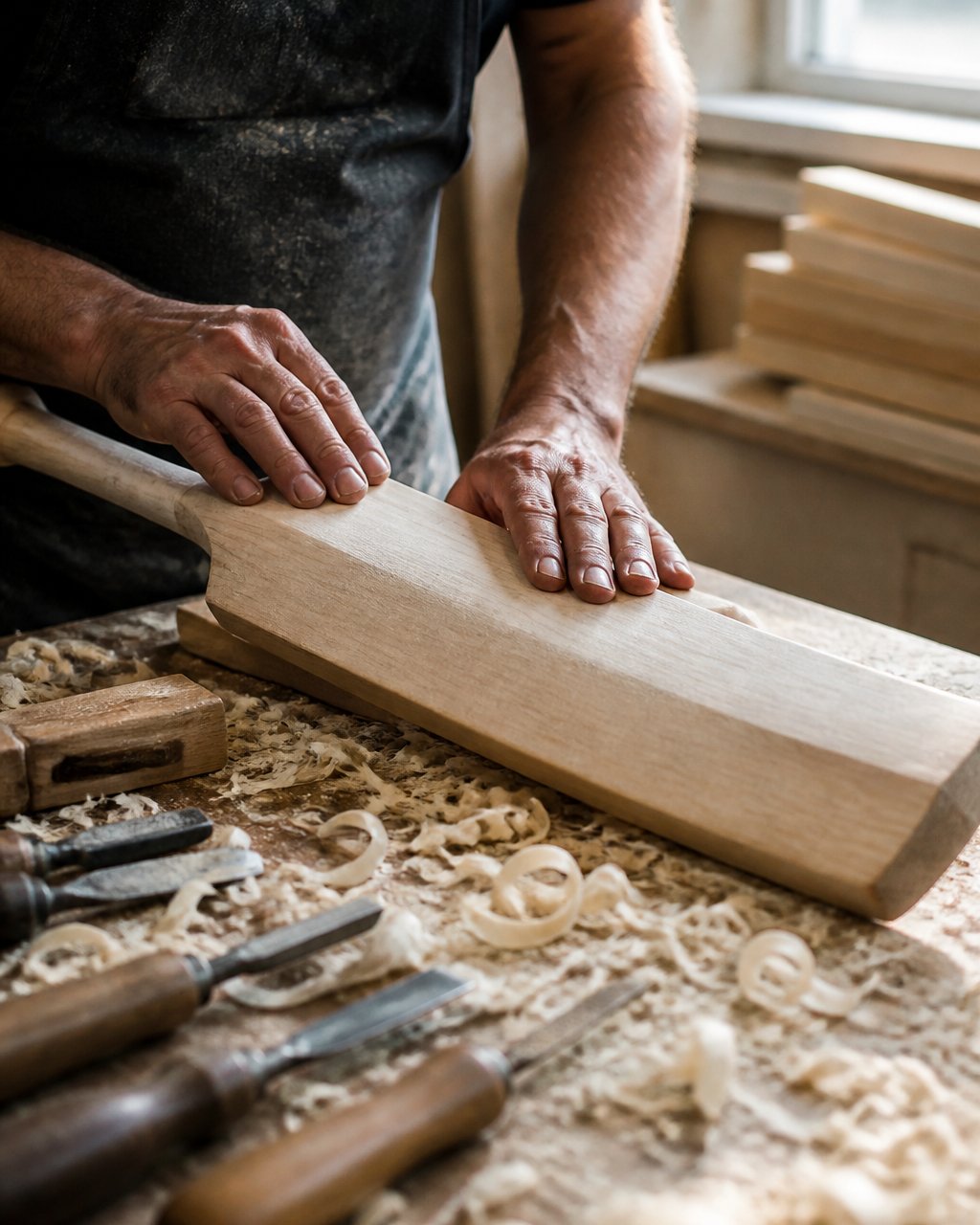
Australian cricket bats are handcrafted English willow blades built to a grade system that reflects willow quality, grain selection and performance, not cosmetics alone. At SGM Cricket Bats, we build every bat in our own factory, from cleft selection through to final inspection, which means we can tell you exactly what separates one grade from the next.
Here is the short answer most buyers want: the difference between grades is not simply "better wood." It is grain count, pressing consistency, handle construction and how much of the willow's natural density survives the shaping process. A Grade 2 blade pressed well will outperform a pretty Grade 1 blade pressed badly. That single fact should shape how you read every comparison below.
Below, we break down each grade we make, the weights and profiles available, and which player each one genuinely suits. But first, here is what most grade guides get wrong: they rank bats by appearance. Grain count tells you about the tree, not about the ping.
The Comparison Table: Grade, Weight, Profile and Price
| Bat | Willow Grade | Weight Range | Profile Options | Price (AUD) | Best For |
|---|---|---|---|---|---|
| Performance Grade | Grade 2 English willow | 2.5 to 2.12 lbs | Duck Bill or Full | $599.00 | Club cricketers chasing ping over looks |
| Players Grade | Grade 1 English willow | 2.6 to 2.12 lbs | Duck Bill or Full | $699.00 | Stroke players, openers, lighter bats |
| Reserve Edition | 8 to 10 grain minimum | 2.5 to 2.12 lbs | Duck Bill or Full | $799.00 | Elite club and representative players |
| Custom Made | Your choice of grade | Your spec | Your spec | $699.00 | Players whose specs fall outside stock |
Every bat in this table carries a one-year warranty on the handle only, requires knocking in before use, and ships free within Australia. The Players Grade arrives machine-knocked 15,000 times before delivery. All four are handcrafted to order and ready to ship within three weeks.

That table is the whole article in miniature. The rest of this guide explains why each row exists and who should stop reading at which line.
Performance Grade: The Value Pick for Club Cricketers
Performance Grade is the bat for cricketers who care about how a blade performs rather than how it photographs. Built from premium Grade 2 English willow, it is selected on ping, not on grain count or cosmetic cleanliness.

Here is the contrarian bit. The traditional grading system rewards clean faces and tight grain lines, and none of that guarantees a bat goes well. What actually determines performance is the pressing, the handle construction, the density of the willow and the shape and balance of the blade. A Performance Grade bat may show fewer grains, minor stains or slight colour variation. It will not lack ping.
Weight runs from 2.5 to 2.12 lbs, with Duck Bill or Full profile options and thicker edges for a larger sweet spot. At $599.00 it is the cheapest route into a handcrafted English willow bat, and for most club players it is the sensible one.
Players Grade: Built for Timing and Soft Hands
Players Grade is a stroke player's bat, and the spec sheet says so plainly. Grade 1 English willow, the same grade used in first-class and international cricket, shaped into a lighter blade that lets your hands do the work.
The weight range starts at 2.6 lbs, which matters more than most buyers realise. A lighter bat unlocks natural bat speed through the hitting zone, so timing carries the shot rather than arm strength. It suits openers playing late and soft against early movement, technically refined batters, and anyone a coach has told their bat is too heavy. Female cricketers and shorter players wanting a full-size blade without arm fatigue tend to land here too.
At $699.00, with Duck Bill or Full profile options and thicker edges, it is the pick for players whose runs come from placement and reading the ball early.
Reserve Edition: Premium Grain for Elite Club and Representative Players
Reserve Edition is the top of our standard range: premium English willow with a minimum of 8 to 10 grains, engineered for balance and control at the crease.

Grain selection at this level is about consistency and durability as much as appearance. A tighter, more even grain structure generally means a blade that holds its performance longer, which is why representative players gravitate towards it. Weight runs from 2.5 to 2.12 lbs with the same Duck Bill or Full profile choice and thicker edges as the rest of the range.
At $799.00, it is the bat for elite club cricketers and serious players who want the finest willow we select, custom-built to their exact weight, profile and grip. If you play two grades up and face genuinely quick bowling, this is where the extra spend earns its place.
Custom Made Bats: When Off-the-Shelf Specs Stop Working
Custom Made is for the player whose requirements do not fit a stock specification. You choose willow grade, size, weight and, optionally, deeper customisation specs through our configurator, and we build to that brief.
The real difference between a custom bat and an off-the-shelf one is not romance, it is fit. Handle shape, grip size, pick-up, blade profile and balance point all interact, and small adjustments change how a bat feels in the second hour of an innings. A player who has always found mid-weight bats tiring, or who wants a specific pick-up, gets a blade built to that brief rather than a compromise.
Players Grade English Willow Cricket Bat | Buy Melbourne →
Custom builds start at $699.00 and are handcrafted and ready to ship within three weeks from the day you choose your willow. If you are unsure what specs to request, our team will talk you through weight, profile and grip before anything is cut.
A Cricket Bat Weight Guide for Australian Conditions
Cricket bat weight is measured in pounds and ounces, and the usable range for adult bats sits roughly between 2.5 and 2.12 lbs. Choosing the right weight matters more than choosing the right grade.
A common approach is to pick the heaviest bat you can play late with, not the heaviest bat you can lift in a shop. Australian pitches and outfields reward bat speed, and a lighter blade generates more of it. Here is a rough guide:
- 2.6 to 2.8 lbs: stroke players, openers, shorter players, anyone told their bat is too heavy
- 2.8 to 2.10 lbs: the broad middle ground for most club batters
- 2.10 to 2.12 lbs: strong front-foot players who want mass behind the ball
If you are coming from a heavy bat, expect a lighter one to feel strange for a net session or two before it feels fast. It will.
The Cricket Bat Size Guide: Getting Length Right
Cricket bat size is matched to player height, not age, and getting the length wrong is the fastest way to ruin a young player's technique. A bat that is too long forces the hands high and the swing out of shape.
The practical test is simple: stand the bat beside the player, and the top of the handle should sit around the top of the hip. Sizes run from size 1 through to full size (short handle and long handle), with harrow and junior lengths in between. When a player is between sizes, go smaller.
We do not hold junior bats in stock. We make them to order, which means a junior bat is built to the same standard and to the correct length for the player rather than pulled off a shelf.
Cricket Bat Profiles: Duck Bill vs Full Profile Explained
Cricket bat profiles come down to two choices in our range, and the decision is about how you score runs. The Duck Bill profile is a shaped, scooped-back blade that shifts weight lower and enhances control, suiting players who manipulate the ball and play late. The Full profile keeps more wood through the spine for powerful hitting and a bigger presence at impact.
Neither is better. A power hitter on a Duck Bill will feel under-gunned, and a placement player on a Full profile may find the bat slower through the arc than they want. Match the profile to your game and the grade to your level, and the bat will do what you ask of it.
Choosing between grades is really a question of matching willow quality, weight and profile to how you actually bat, not to how you would like to bat. SGM Cricket Bats handcrafts every blade in our own factory, from cleft selection to final inspection, with Grade 1 and Grade 2 English willow options, custom builds to your exact specs, and a repair and re-handling service when your current bat needs work rather than replacing. Get started with SGM Cricket Bats and have a bat built to your game, ready to ship within three weeks.
Frequently Asked Questions
What should I look for when buying a cricket bat?
Start with the willow grade and the weight, not the grain count on the face. Grade 2 English willow pressed and shaped well will outperform a prettier Grade 1 blade that is badly balanced. Check the pick-up by holding the bat out one-handed at the toe, confirm the handle feels right for your grip, and ask whether knocking-in is included. A 1-year handle warranty is standard on handcrafted bats, and made-to-order builds typically take around 3 weeks.
How do I choose the right cricket bat weight?
Work backwards from your backlift, not from what a teammate swings. If your bat feels heavy after 20 minutes at the nets, or your coach has told you it is shortening your backlift, drop down. Bats from 2.6 to 2.12 lbs cover most adult players, and lighter blades suit openers, female cricketers and shorter players who want a full-size bat without arm fatigue. Heavier bats only help if you can still swing them late.
What is the difference between English willow and Kashmir willow bats?
English willow is grown in cooler, wetter conditions, which produces a lighter, more fibrous timber with a livelier response off the face. Kashmir willow is denser and cheaper but heavier for the same size, so it suits beginners and synthetic-ball cricket better than hard-ball club play. For anyone playing competitive hard-ball cricket, English willow is the standard, and the grade (Performance, Players, Reserve) determines how much you pay for grain selection and cosmetics.
Can a cricket bat be made to suit my playing style?
Yes, and this is where custom builds earn their place. You can specify weight, profile (SS Duck Bill for control or Full Profile for power), grip and handle setup. A stroke player who plays late wants a lighter blade with a lower sweet spot, while a front-foot hitter benefits from a fuller profile with thicker edges. Custom bats are made to order and typically ready within 3 weeks, so factor that into any tournament timeline.
How do I choose a cricket bat for a junior player?
Match the bat length to the player's height first, then pick the lightest weight they can swing with control. Junior bats are made to order rather than stocked off the shelf, so you can specify the size and weight together. Avoid buying a bat they will grow into: an oversized blade teaches poor technique and risks injury. If you are unsure between two sizes, go smaller and lighter, and revisit the decision each season as they grow.


