

Table of Contents
- Why New Batting Gloves Need Breaking In
- How to Soften Cricket Batting Gloves Before First Use
- How Long to Break In Batting Gloves: A Realistic Timeline
- Cricket Batting Gloves Fit Guide: Getting the Size Right
- Step-by-Step: Breaking In Your Gloves at Training
- How to Care for Cricket Batting Gloves After Breaking Them In
- Common Mistakes to Avoid When Breaking In Gloves
- Conclusion: Get the Most From Your Batting Gloves
- Frequently Asked Questions
Last Updated: 12 October 2026
Why New Batting Gloves Need Breaking In
New batting gloves feel stiff because the leather and padding haven't moulded to your hands yet. Breaking them in softens the palm, flexes the fingers, and shapes the glove around your grip, so you get feel at the crease instead of fighting the leather.

Here's the thing most guides get wrong: breaking in isn't about making a glove loose. It's about teaching stiff leather where to bend.
A glove that's never been worked stays rigid at the knuckles. The padding sits flat. Your grip feels wooden.
Work it properly and the leather creases in the right spots. The palm softens. Your fingers close around the handle the way they should.
Below, we'll show you exactly how to break in new batting gloves before your first match, how long it really takes, and the mistakes that ruin a good pair.
How to Soften Cricket Batting Gloves Before First Use
Learning how to soften cricket batting gloves starts with gentle, repeated flexing, not soaking them in water. Water weakens leather and breaks down the lining.
Start with your hands. Put the gloves on and make a fist, then open your hand. Repeat this 20 to 30 times.
Next, work each finger. Bend it at the knuckle and hold for a few seconds. Move from your little finger across to your index finger.
Then grip a bat. Hold your normal stance for a few minutes. This teaches the palm where to crease.
A few things to avoid:
- Never soak gloves in water or wear them in the shower
- Never bake them or use a hairdryer
- Never stretch them over a bat handle and leave them overnight
How Long to Break In Batting Gloves: A Realistic Timeline
Knowing how long to break in batting gloves helps you plan around your next fixture. Most gloves need three to five short sessions, not one long one.
Here's a rough guide:
| Glove Material | Break-In Time | Best Method |
|---|---|---|
| Full leather | 3-5 sessions | Wear and flex, light oil |
| Leather and synthetic mix | 2-3 sessions | Wear and flex only |
| Full synthetic | 1-2 sessions | Wear and grip work |
Leather takes longer but moulds better over time. Synthetic softens fast but holds its shape less.
If you've got a game in a week, start now. Ten minutes a day beats one marathon session.
The real difference between a well broken-in glove and a rushed one shows up in the last over of a long innings. That's when soft, shaped leather keeps your grip steady.
Cricket Batting Gloves Fit Guide: Getting the Size Right
A proper cricket batting gloves fit guide starts with one rule: the glove should feel snug, not tight. Your fingers should reach the end without curling.
Check these points before you break anything in:
- Fingertips touch the end of each finger slot
- No pinching across the palm or knuckles
- The wrist strap closes with room to spare
- You can make a full fist without the leather pulling
If a glove is too big, it twists on the handle. Too small, and it cuts off circulation.
Measure your hand from the base of your palm to your middle fingertip. Match that to the size chart, then size up if you're between sizes.
Our sausage finger batting gloves are available in Right Hand (RH) and Left Hand (LH) options, so you can get the fit right for your stance.
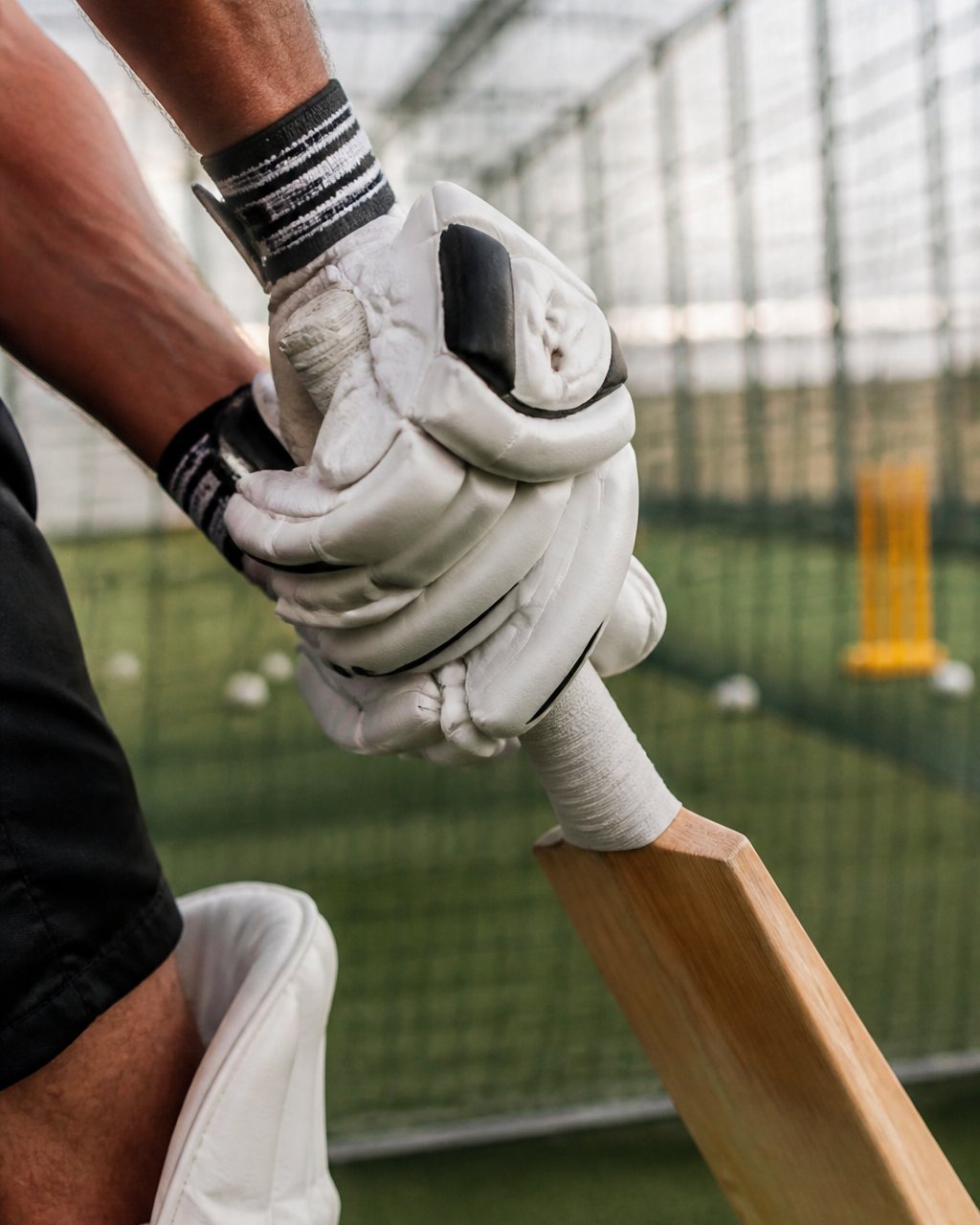
Step-by-Step: Breaking In Your Gloves at Training
The best place to break in gloves is a net session, not a match. You get repetition without the pressure of game day.
Cricket Batting Gloves | Elite Sausage Fingers | Buy Melbourne →
Follow these steps:
- Warm up with 10 minutes of light throwdowns
- Flex your hands between overs
- Grip and re-grip the bat during breaks
- Take them off between sessions to let them dry
- Repeat over three to five training days
Each session should last 20 to 30 minutes. That's enough to soften the leather without wearing it out.
By the end of the week, you'll feel the difference. The glove moves with your hand, not against it.
How to Care for Cricket Batting Gloves After Breaking Them In
Knowing how to care for cricket batting gloves keeps them working for seasons, not months. The main enemy is moisture.
After every session:
- Wipe off sweat with a dry cloth
- Let them air dry away from direct heat
- Store them flat, not crumpled in a kit bag
- Check the stitching and palm for wear
Never leave wet gloves in a closed bag. Damp leather grows mould and stiffens as it dries.
A light leather conditioner every few weeks helps keep the palm supple. Use it sparingly.
Rotate two pairs if you play a lot. It gives each pair time to dry and doubles their life.
Common Mistakes to Avoid When Breaking In Gloves
Most glove damage comes from rushing the process. Here are the traps we see most.
Soaking gloves in water is the biggest one. It feels like it works, then the leather dries hard and cracks.
Others to avoid:
- Using heat to speed things up
- Over-oiling the palm until it's greasy
- Wearing them for a full match before any break-in
- Ignoring the fit and blaming the leather
The real difference between a glove that lasts a season and one that lasts three comes down to patience. Treat the leather well and it returns the favour.
If you're after gear that's built to handle proper break-in, our professional-grade English willow cricket bats and high-quality cricket gear are made to match.
Conclusion: Get the Most From Your Batting Gloves
Getting your gloves match-ready takes a bit of patience, but the payoff is real. Soft, shaped leather means better grip, fewer blisters, and more confidence at the crease.
A common mistake is treating this as a chore. Think of it as part of your preparation, like knocking in a new bat.
At SGM Cricket Bats, we handcraft our gear with the same care you put into your game. Our sausage finger batting gloves are built for club, school, and recreational players who want reliable protection without the fuss.
Order yours today and start breaking them in before your next innings.
Frequently Asked Questions
How do you break in new cricket batting gloves?
Wear them for short net sessions, starting with 20 to 30 minutes of gentle throwdowns. The leather and padding mould to your grip through repeated use. You can speed this up by flexing your fingers and making a fist repeatedly while wearing them. Avoid soaking them in water or applying heavy oils, which can damage the leather and stitching. Most gloves need five to ten sessions before they feel fully comfortable.
How long does it take to break in batting gloves?
Most batting gloves take five to ten net sessions to break in, roughly two to three weeks of regular training. Softer leather models may feel comfortable after three or four sessions, while stiffer gloves with thicker padding can take longer. The timeline depends on how often you bat and the glove's materials. Rotating two pairs during break-in reduces wear and extends the life of both.
Should batting gloves fit tightly when new?
New batting gloves should feel snug but not restrictive. Your fingers should reach the end of each finger stall without curling, and the wrist strap should fasten securely without cutting off circulation. A glove that is too tight will stay uncomfortable and restrict movement. One that is too loose will shift during play and reduce protection. Allow a small amount of room for the leather to stretch slightly with use.
Can you use oil or conditioner on cricket batting gloves?
The best way to soften gloves is simply wearing them during practice. If the leather feels particularly stiff, flex the gloves by hand before your session.


